Skip to content












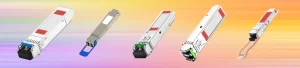















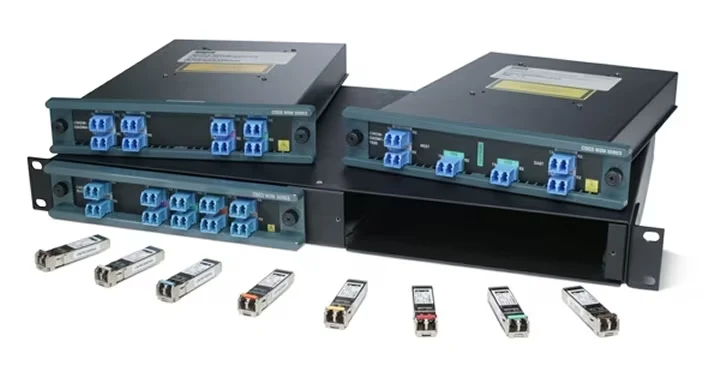
In today’s rapidly evolving networking landscape, businesses are under constant pressure to increase bandwidth, reduce costs, and maintain flexibility. Optical transceivers play a critical role in enabling high-speed data transmission, but the high cost of original equipment manufacturer (OEM) modules has led many organizations to seek alternatives.
As a result, compatible (third-party) transceivers are quickly gaining popularity. But why are they taking over the market? Let’s explore the key reasons behind this shift and what it means for modern network infrastructure.
1. Significant Cost Savings
One of the primary reasons for the growing adoption of compatible transceivers is cost efficiency.
OEM transceivers from vendors like Cisco Systems or Juniper Networks are often priced at a premium—sometimes several times higher than equivalent third-party options.
Compatible transceivers, on the other hand, can offer:
- 30% to 70% lower cost
- Comparable performance
- Immediate availability
For large-scale deployments such as data centers, the cost savings can be substantial.
2. Proven Compatibility and Reliability
A common concern in the past was whether third-party transceivers would work seamlessly with branded equipment. Today, this concern has largely been addressed.
Modern compatible transceivers are:
- Pre-coded and tested for specific platforms
- Fully interoperable with major network brands
- Designed to meet industry standards
With proper quality control, compatible modules can deliver performance on par with OEM products.
3. Greater Flexibility and Multi-Vendor Support
OEM vendors often create closed ecosystems, limiting users to their own branded accessories.
Compatible transceivers break this limitation by offering:
- Multi-vendor compatibility
- Freedom to mix different network brands
- Easier upgrades and expansions
This flexibility is especially valuable for enterprises managing complex or evolving network environments.
4. Faster Lead Times and Better Availability
OEM transceivers can sometimes have long lead times due to supply chain constraints or limited production.
In contrast, third-party suppliers typically offer:
- Large inventory availability
- Faster delivery times
- Customization options
This ensures that projects are not delayed due to component shortages.
5. Support for Customization and OEM/ODM Services
Unlike traditional OEM vendors, many compatible transceiver providers offer customization services, including:
- Custom coding for specific devices
- Labeling and branding (private label)
- Tailored solutions for unique network requirements
This level of flexibility is particularly beneficial for system integrators and distributors.
6. Performance Keeps Pace with Industry Innovation
As network speeds evolve—from 10G and 25G to 100G, 400G, and beyond—compatible transceiver manufacturers are keeping up with the latest technologies.
High-quality suppliers now offer:
- Advanced DSP-based modules
- Support for high-density data center environments
- Compliance with international standards
Compatible solutions are no longer “low-end alternatives”—they are competitive, high-performance options.
7. Ideal for Data Centers and Enterprise Networks
Compatible transceivers are especially well-suited for:
- Data centers
- Cloud infrastructure
- Enterprise networks
- Telecom deployments
In these environments, the combination of cost efficiency, scalability, and performance makes them a preferred choice.
8. Addressing the Compatibility Myth
It’s important to clarify that compatibility is not a limitation—it’s a design feature.
Through EEPROM coding and rigorous testing, compatible transceivers are engineered to match the requirements of specific devices.
When sourced from a reliable supplier, compatibility issues are rare and easily avoidable.
Conclusion
The rise of compatible transceivers is not just a trend—it reflects a fundamental shift in how businesses approach network infrastructure.
With advantages such as lower cost, proven reliability, greater flexibility, and faster delivery, compatible transceivers are becoming the preferred solution for modern networks.
As organizations continue to scale and optimize their operations, the demand for high-quality, cost-effective alternatives to OEM modules will only continue to grow.