Skip to content






























In modern data centers, cabling is far more than just a physical layer—it directly impacts performance, maintenance efficiency, and long-term scalability. Poor cable management can lead to network downtime, airflow obstruction, and operational inefficiencies. As data traffic continues to grow with cloud computing, AI, and high-speed networking, implementing structured and efficient cabling management has become essential.
A well-organized cabling system not only improves reliability but also simplifies maintenance and supports future expansion.
Understanding Data Center Cabling Management
Data center cabling management refers to the structured organization, routing, labeling, and maintenance of fiber and copper cables within a network infrastructure. Its primary goal is to ensure optimal performance while reducing complexity and risk.
Without proper management, data centers often face several critical challenges:
Cable Congestion
Unorganized cables create cluttered racks, making it difficult to trace connections and increasing the risk of accidental disconnections.
Maintenance Complexity
Disordered cabling complicates troubleshooting, upgrades, and repairs, leading to longer downtime and higher operational costs.
Airflow Restriction
Excess or poorly routed cables can block airflow, causing overheating and reducing cooling efficiency.
Limited Scalability
Inefficient cabling structures make it difficult to expand network capacity, delaying deployments and limiting business growth.
By adopting structured cabling practices, data centers can significantly improve operational efficiency and long-term reliability.
FiberMania Data Center Cabling Management Solutions
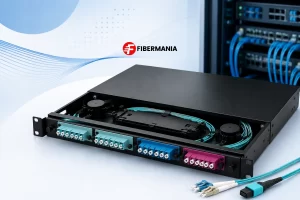
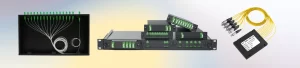
At FiberMania, we provide high-performance cabling solutions designed to meet the demands of modern data centers. Our portfolio includes fiber optic panels, modular cassettes, and high-density enclosures—engineered to optimize space, improve manageability, and support scalable infrastructure.
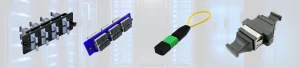
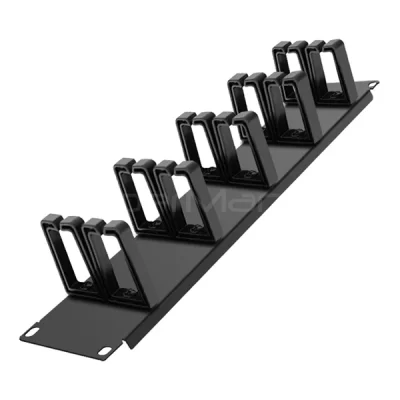
Fiber Optic Panels: Simplifying Connectivity and Maintenance
Fiber optic panels are a fundamental component of structured cabling systems. They serve as centralized connection points for fiber links, ensuring organized and secure terminations.
Key benefits include:
- Organized Infrastructure: Keeps fiber connections neat and clearly structured
- Ease of Maintenance: Simplifies testing, monitoring, and troubleshooting
- Modular Flexibility: Allows easy addition or reconfiguration of connections
- Space Efficiency: Compact design maximizes rack utilization
- Improved Reliability: Stable connections reduce signal loss and interference
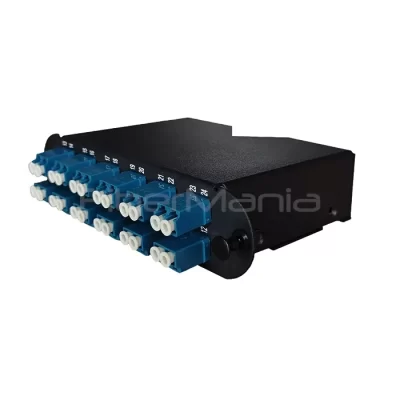
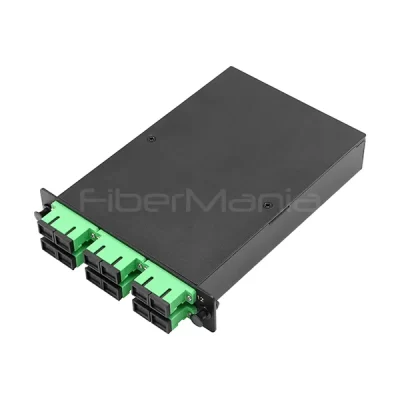
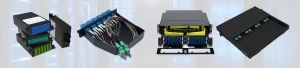
Fiber Cassettes: Enabling High-Density and Scalable Networks
Fiber cassettes provide a modular and efficient solution for managing high-density fiber connections. They are especially valuable in environments requiring rapid deployment and scalability.
Advantages include:
- High-Density Connectivity: Supports large numbers of fiber connections in limited space
- Scalability: Easily expand network capacity without major infrastructure changes
- Simplified Management: Clear labeling and structured layout improve efficiency
- Flexibility: Compatible with various connector types and configurations
- Reduced Clutter: Centralized management minimizes cable chaos
Fiber Enclosures: Protecting and Optimizing Infrastructure
Fiber enclosures integrate panels and cassettes into a unified system, providing both protection and organization for cabling infrastructure.
Core features include:
- Physical Protection: Shields components from dust, damage, and environmental factors
- Space Optimization: Supports high-density deployments in limited rack space
- Integrated Design: Consolidates multiple components into a single system
- Thermal Management: Promotes airflow and heat dissipation
- Modular Expansion: Adapts easily to evolving data center requirements
Best Practices for Effective Cabling Management
To maximize efficiency and performance, data centers should follow these proven best practices:
Implement Structured Cabling Systems
Adopt standardized cabling architectures to ensure logical layout and easier management.
Label and Document Everything
Clear labeling and accurate documentation reduce human error and speed up troubleshooting.
Use High-Density Solutions
Leverage advanced panels and cassettes to optimize space and improve scalability.
Optimize Cable Routing and Length
Use custom-length or pre-terminated cables to reduce slack and improve organization.
Maintain Proper Airflow
Ensure cables do not obstruct cooling pathways to prevent overheating and energy waste.
Conclusion
Efficient cabling management is critical to the performance and scalability of modern data centers. By integrating structured solutions such as fiber optic panels, cassettes, and enclosures, businesses can significantly improve network reliability, reduce downtime, and prepare for future growth.
With FiberMania’s customizable OEM and ODM capabilities, data centers can deploy tailored cabling solutions that align with their specific infrastructure needs—ensuring long-term efficiency and operational excellence.