Skip to content
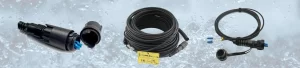
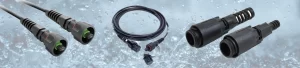
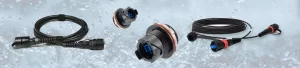
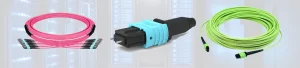
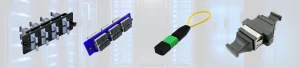
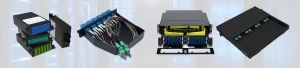
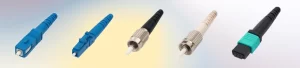








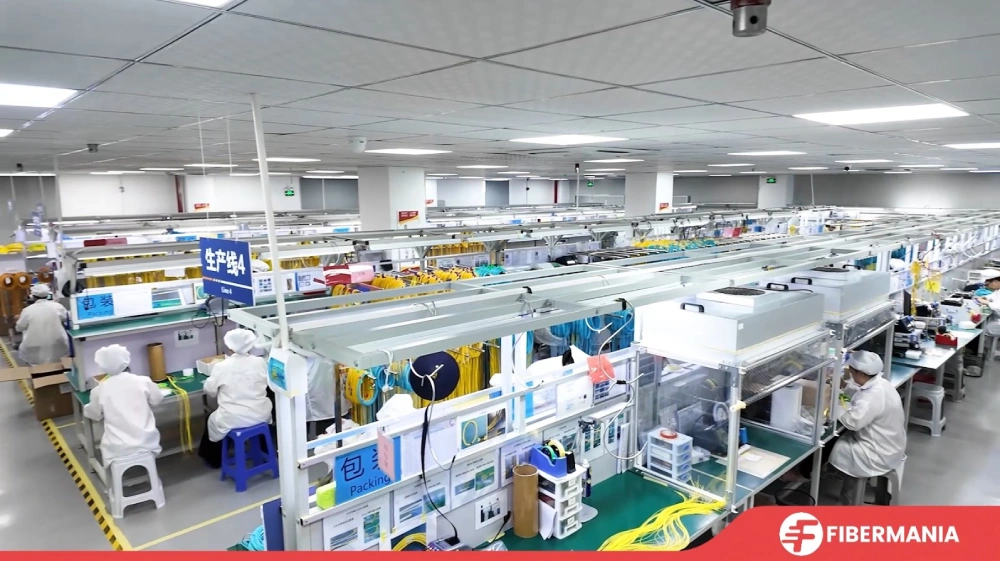




Fiber optic technology has become the backbone of modern communication networks, supporting everything from global internet infrastructure and cloud data centers to 5G wireless systems and industrial automation. To ensure compatibility, reliability, safety, and long-term performance, fiber optic cables and related connectivity products must comply with a wide range of international standards and testing requirements.
This article provides a comprehensive and beginner-friendly overview of the international standards organizations, testing standards, and key performance parameters used to evaluate fiber optic cables, fiber patch cords (including MPO/MTP data center solutions and FTTA assemblies), and fiber optic connectors. We will explore functional performance, mechanical and appearance requirements, and environmental and weather resistance standards, helping readers understand how quality and compliance are defined in the fiber optics industry.
1. Major International Standards Organizations for Fiber Optics
Several international organizations develop and maintain standards for fiber optic products. These standards ensure interoperability across manufacturers, regions, and applications.
1.1 ISO/IEC (International Organization for Standardization)
ISO, together with IEC, publishes globally recognized standards covering fiber optic cables, connectors, and testing methods. Key series include:
ISO/IEC 11801 – Generic cabling for customer premises
ISO/IEC 60793 – Optical fibers
ISO/IEC 60794 – Optical fiber cables
These standards are widely adopted in enterprise networks, data centers, and industrial environments.
1.2 IEC (International Electrotechnical Commission)
The IEC plays a central role in defining technical and test standards for fiber optics, especially at the component and cable level.
Important IEC standards include:
IEC 60793 – Optical fiber characteristics and test methods
IEC 60794 – Cable construction and performance testing
IEC 61753 – Connector performance classification
IEC 61300 – Connector test and measurement procedures
IEC standards are often referenced by other regional standards bodies.
1.3 TIA (Telecommunications Industry Association)
TIA standards are especially influential in North America and data center environments.
Key TIA standards:
TIA-568 series – Structured cabling systems
TIA-942 – Telecommunications infrastructure standard for data centers
TIA-604 (FOCIS) – Fiber optic connector interface standards (LC, SC, MPO, etc.)
TIA standards are widely used for MPO/MTP systems, patch cords, and structured cabling projects.
1.4 ITU-T (International Telecommunication Union)
ITU-T standards focus on telecommunication networks and transmission performance.
Examples:
ITU-T G.652 / G.657 – Single-mode fiber specifications
ITU-T G.650 – Test methods for optical fibers
These standards are commonly used for long-haul, metro, and access networks.
1.5 Telcordia (Bellcore)
Telcordia standards are frequently required by telecom operators, especially in North America.
Key documents:
GR-20 – Generic requirements for optical fiber cables
GR-326 – Requirements for single-mode optical connectors and jumper assemblies
Telcordia standards emphasize reliability, durability, and environmental performance.
2. Functional Performance Standards for Fiber Optic Products
Functional performance defines how well a fiber optic product transmits optical signals.
2.1 Optical Fiber and Cable Performance Parameters
Attenuation (Insertion Loss per Kilometer)
Measured in dB/km
Defined by ISO/IEC 60793 and ITU-T standards
Typical values:
Single-mode OS2: ≤ 0.35 dB/km @ 1310 nm
Lower attenuation means less signal loss over distance.
Bandwidth and Modal Performance (Multimode)
OM3, OM4, and OM5 fibers are classified by effective modal bandwidth (EMB)
Defined under ISO/IEC 11801 and TIA-568
Critical for high-speed data center transmission (10G, 40G, 100G, 400G)
2.2 Fiber Optic Patch Cords and Jumper Assemblies
Patch cords and jumper cables must meet stricter performance requirements because connectors introduce additional loss.
Insertion Loss (IL)
The loss introduced by connectors and mating interfaces
Typical limits:
Standard grade: ≤ 0.3 dB
Low loss grade: ≤ 0.2 dB
Ultra-low loss: ≤ 0.15 dB
Return Loss (RL)
Measures reflected optical power
Typical requirements:
UPC connectors: ≥ 50 dB (single-mode)
APC connectors: ≥ 60 dB
These parameters are critical for high-speed and long-distance links.
2.3 MPO/MTP and Data Center Connectivity Standards
High-density data center solutions rely heavily on MPO/MTP connectivity.
Relevant standards include:
IEC 61754-7 – MPO connector interface
TIA-604-5 – MPO FOCIS
IEC 61753 – Performance categories
Key evaluation aspects:
Fiber count (8, 12, 16, 24, 32)
Endface geometry and cleanliness
Low insertion loss requirements for parallel optics
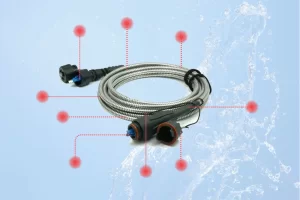
2.4 FTTA and Outdoor Fiber Assemblies
Fiber-to-the-Antenna (FTTA) solutions are used in mobile base stations and outdoor deployments.
Common standards:
IEC 61753-1 – Environmental performance categories
IP67 / IP68 ingress protection ratings
FTTA cables must maintain optical performance under harsh environmental conditions.
3. Mechanical and Appearance Standards
Mechanical and physical robustness is as important as optical performance.
3.1 Mechanical Performance of Fiber Cables
Defined primarily by IEC 60794 and Telcordia GR-20:
Key tests include:
Tensile strength
Crush resistance
Impact resistance
Bending performance
Torsion and twist
These tests ensure cables can withstand installation and long-term use without degradation.
3.2 Connector and Patch Cord Mechanical Tests
Connector-level testing (IEC 61300 series):
Mating durability (typically 500–1000 cycles)
Cable retention and pull tests
Vibration and shock resistance
These tests ensure stable performance in data centers and telecom environments.
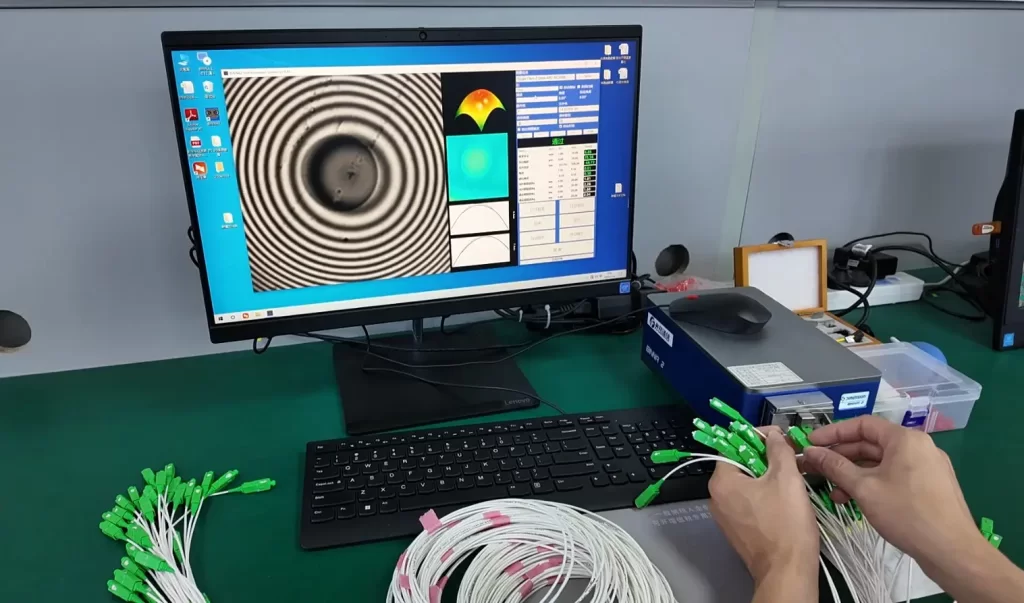
3.3 Appearance and Endface Quality
Visual inspection standards include:
IEC 61300-3-35 – Fiber endface inspection criteria
Evaluation focuses on:
Core, cladding, adhesive, and contact zones
Scratches, pits, and contamination
Endface geometry and polish quality
Clean and well-polished endfaces are essential for low insertion loss.

4. Environmental and Weather Resistance Standards
Fiber optic products are often deployed in challenging environments.
4.1 Temperature and Humidity Resistance
Common test conditions:
Operating temperature: -20°C to +70°C
Storage temperature: -40°C to +85°C
Damp heat testing per IEC 60068
Ensures stable optical performance over temperature variations.
4.2 UV, Chemical, and Corrosion Resistance
Outdoor and industrial cables are tested for:
UV resistance
Oil and chemical exposure
Salt mist corrosion (IEC 60068-2-11)
These tests are essential for FTTA and outdoor cable assemblies.
4.3 Flame Retardancy and Fire Safety
Fire performance standards include:
IEC 60332 – Flame propagation
OFNR / OFNP / LSZH classifications
CPR (Construction Products Regulation) for EU markets
Fire safety is critical for indoor and public installations.
5. Certification, Compliance, and Quality Assurance
Manufacturers often combine standards compliance with system-level certifications:
ISO 9001 – Quality management
ISO 14001 – Environmental management
RoHS / REACH – Material compliance
Factory-level testing:
100% IL & RL testing
Interferometer inspection
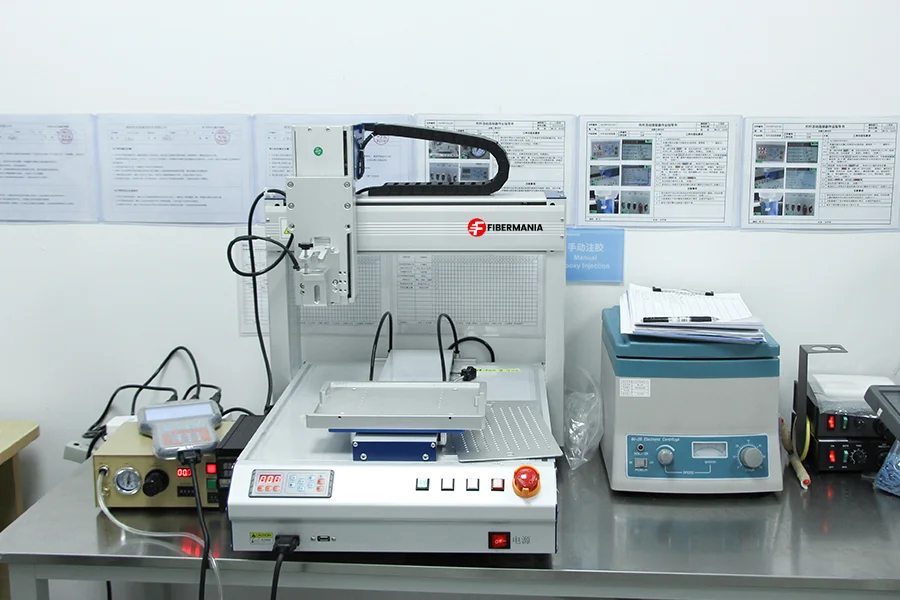
Environmental aging tests
Compliance demonstrates reliability, consistency, and long-term performance.
Conclusion
International standards play a critical role in ensuring that fiber optic cables, patch cords, MPO/MTP data center solutions, FTTA assemblies, and connectors deliver reliable, safe, and interoperable performance. By understanding functional performance standards, mechanical and appearance requirements, and environmental testing criteria, users and buyers can make informed decisions when selecting fiber optic products for their networks.
As global demand for high-speed connectivity continues to grow, adherence to recognized international standards remains the foundation of quality and trust in the fiber optics industry.