Skip to content










Underground fiber optic installation is a critical component of modern telecommunications infrastructure. From metropolitan broadband networks to rural connectivity projects, burying fiber underground protects cables from environmental exposure while ensuring stable, high-capacity communication links. However, successful deployment requires more than simply placing cable beneath the ground. Proper planning, installation techniques, and post-installation testing all play key roles in building a reliable fiber network.
This guide explains the essential stages of underground fiber optic cable installation, including route design, trenching methods, cable protection strategies, and testing procedures to help ensure long-term performance and minimal maintenance issues.
Planning and Route Design for Underground Fiber Networks
Every successful fiber deployment begins with a carefully structured design phase. Proper planning reduces installation risks, lowers construction costs, and improves long-term network stability.
Determining Efficient Cable Routes
Route selection should balance efficiency, safety, and future network scalability. Planners must evaluate terrain conditions, nearby structures, and potential obstacles such as roadways or utility corridors. Designing routes that minimize sharp turns and unnecessary detours reduces stress on fiber cables and simplifies maintenance access.
In large infrastructure projects, planners often incorporate spare conduits or additional fiber capacity to accommodate future network expansion without requiring new excavation work.
Evaluating Cable Specifications and Mechanical Limits
Different fiber cable types have unique mechanical characteristics. Installation teams must review manufacturer specifications before construction begins, particularly regarding:
Minimum bend radius
Maximum pulling tension
Crush resistance
Environmental durability
Matching cable specifications to installation conditions helps prevent damage during deployment and ensures the network performs reliably once operational.
Conducting Field Surveys and Utility Coordination
A detailed site inspection is essential prior to excavation. Surveys typically assess:
Soil composition and terrain slope
Existing underground utilities
Water table levels
Environmental or regulatory constraints
Coordinating with local utility authorities helps avoid damaging existing infrastructure such as power lines, water pipes, or gas systems.
Excavation and Conduit Infrastructure
Once planning is complete, the project moves into the physical installation stage, which involves trenching and preparing pathways for fiber cables.
Selecting Appropriate Excavation Methods
Different environments require different trenching techniques. The most common methods include:
Traditional trenching – Suitable for open areas where surface disruption is acceptable.
Micro-trenching – A narrow trench cut into pavement, commonly used in urban fiber deployments.
Horizontal directional drilling (HDD) – Ideal for crossing roads, rivers, or protected areas without disturbing the surface.
Selecting the appropriate method helps minimize environmental impact and reduce construction time.
Installing Protective Conduit Systems
Conduit systems provide an extra layer of protection for underground fiber cables. High-density polyethylene (HDPE) and PVC conduits are widely used due to their durability and flexibility.
Benefits of conduit-based installation include:
Protection against soil pressure and external impacts
Simplified cable replacement or upgrades
Reduced exposure to moisture and contaminants
In complex installations, multiple ducts may be installed simultaneously to support future network expansion.
Establishing Safe Burial Depth
Burial depth depends on multiple factors, including local regulations, traffic conditions, and environmental risks. Typical installation depths range between:
12–24 inches in urban areas
24–48 inches in rural or high-risk zones
Deeper placement improves mechanical protection but may increase installation costs, so the depth must balance safety and practicality.

Cable Placement Techniques
Once the infrastructure pathway is ready, technicians can begin installing fiber cables. The two most common approaches are conduit installation and direct burial.
Pulling Fiber Through Conduits
Conduit-based installation is widely used in metropolitan networks and commercial facilities. This method allows technicians to replace cables or increase capacity without new excavation.
Key installation practices include:
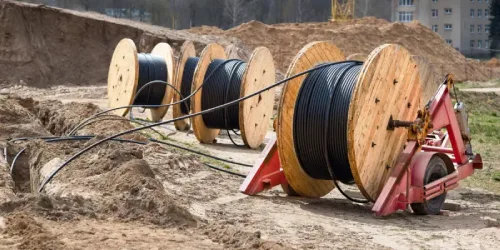
Using cable pulling equipment with controlled tension monitoring
Applying lubrication to reduce friction during long pulls
Installing rollers or guides at entry points and bends
Maintaining proper tension levels prevents fiber strain and preserves signal quality.
Direct Burial Installation
In areas with stable soil conditions, fiber cables may be installed directly into the ground without conduits. This method is often used in rural broadband deployments.
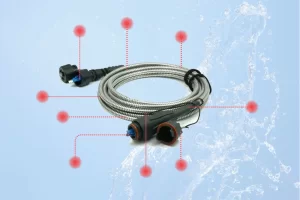
Direct burial cables typically include additional protective layers such as:
Steel or aluminum armor
Water-blocking materials
Reinforced outer jackets
These features help protect the cable from mechanical damage, moisture, and rodent activity.
Splicing, Termination, and Network Verification
After the cable has been successfully installed, technicians must complete several important steps to connect the fiber network and verify performance.
Precision Fiber Splicing
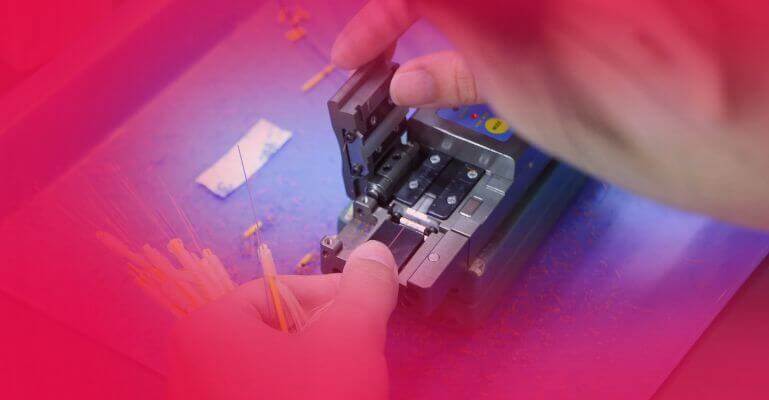
Fusion splicing is the most common method for joining optical fibers. This process aligns and fuses fiber ends using controlled heat to create a permanent low-loss connection.
Proper protection of spliced fibers is essential. Splice trays and sealed enclosures shield the connections from moisture, vibration, and temperature fluctuations.
Fiber Termination and Connector Installation
Termination allows fiber cables to interface with networking equipment such as switches, routers, or distribution frames. During this process, technicians attach connectors to fiber ends and ensure the end faces are clean and properly polished.
Accurate termination reduces signal reflection and maintains consistent transmission quality.
Performance Testing and Documentation
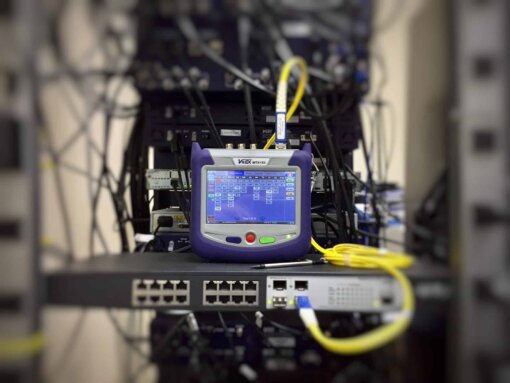
After installation is complete, the entire fiber route should undergo thorough testing. Common testing procedures include:
Insertion loss testing to measure signal attenuation
Return loss testing to verify connector performance
OTDR testing to identify splice loss and detect faults along the cable path
Comprehensive documentation of test results provides a valuable reference for future troubleshooting and maintenance.
Common Installation Challenges and Practical Solutions
Underground fiber deployment often encounters various challenges that require careful management.
Limited Installation Space
In urban environments, underground space may already be occupied by existing utilities. Careful planning and accurate mapping are essential to avoid conflicts.
Solution: Use advanced surveying technologies such as ground-penetrating radar and digital mapping systems to identify available pathways.
Difficult Soil and Terrain Conditions
Rocky terrain, unstable soil, or high groundwater levels can complicate trenching operations.
Solution: Adapt excavation methods and reinforce cable protection using armored cables or additional conduit layers.
Cable Handling Risks
Fiber cables can be damaged if excessive force or improper bending occurs during installation.
Solution: Use calibrated pulling equipment and ensure installers follow manufacturer guidelines for tension and bend radius limits.
Environmental and Regulatory Requirements
Local regulations may dictate installation depth, environmental protection measures, and safety procedures.
Solution: Review municipal standards early in the planning phase to ensure compliance and avoid project delays.
Frequently Asked Questions
How Deep Should Underground Fiber Cables Be Installed?
Depth requirements vary depending on regional regulations and environmental conditions. Urban installations typically range from 12 to 24 inches, while rural installations may require 24 to 48 inches to protect against mechanical damage and surface activity.
What Type of Fiber Cable Is Recommended for Underground Projects?
Loose-tube fiber cables are widely used in conduit systems due to their resistance to moisture and temperature variations. Armored fiber cables are often preferred for direct burial applications where additional mechanical protection is required.
How Long Does It Take to Complete an Underground Fiber Project?
Project timelines depend on the installation environment, permitting processes, and network size. Small-scale installations may take only a few days, while large infrastructure projects can take several weeks or longer.
Do Underground Fiber Networks Require Maintenance?
Although buried cables are generally protected from environmental damage, regular monitoring and testing are still necessary. Periodic inspections help detect performance degradation and prevent unexpected service disruptions.
Conclusion
Installing fiber optic cables underground is a complex engineering process that requires careful planning, proper equipment, and adherence to industry standards. By selecting appropriate trenching methods, protecting cables with conduits or armor, and performing thorough testing, network operators can build reliable fiber infrastructure capable of supporting high-speed communication for decades.
A well-designed underground fiber system not only improves network stability today but also provides the scalability needed to support future technological growth.