Skip to content


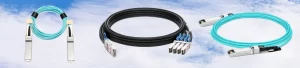
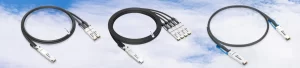
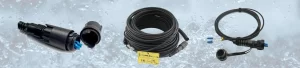

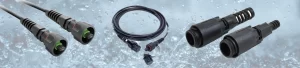
















Industry 4.0 has triggered a profound transformation in the global manufacturing sector, shifting from traditional automation to data-driven intelligent production. Smart robots, as the core execution units of flexible manufacturing, have been widely adopted in automotive assembly, electronic processing, precision engineering, and other industries. However, their rapid proliferation has exposed a critical gap in connection technology—traditional copper cables and wireless solutions struggle to meet the stringent requirements of smart robots operating in complex industrial environments.
Three core connectivity demands have emerged as bottlenecks for smart robot deployment: high bandwidth for concurrent transmission of multi-sensor data, low latency for real-time precision operations and collaborative work, and anti-interference capability for stable performance in harsh industrial settings. Fiber optic connectivity, with its unique technical advantages, has emerged as the “neural network” of intelligent manufacturing, undertaking the critical task of data transmission and signal interaction for smart robots. This article explores how fiber optic connectivity reshapes the interaction modes of smart robots and redefines the efficiency boundaries of intelligent production lines.
Technical Adaptability: Why Fiber Optic Connectivity Solves Intelligent Manufacturing Pain Points?
2.1 Core Connectivity Pain Points of Smart Robots (vs. Traditional Solutions)
Smart robots face four key challenges that traditional connection technologies fail to address effectively:
- Bandwidth Bottlenecks: Massive data pressure from synchronous transmission of robot vision systems and multiple sensors (e.g., high-resolution cameras, lidar, force sensors).
- Latency Sensitivity: Microsecond-level response requirements for precision assembly and multi-robot collaborative operations—even minor delays can cause production errors.
- Environmental Resistance: Interference from strong electromagnetic radiation, high temperatures, oil contamination, and vibration in industrial environments.
- Distance Limitations: Long-distance transmission needs for cross-regional robot collaboration in large-scale factories.
2.2 Precise Adaptation of Fiber Optic Connectivity’s Technical Advantages
Fiber optic connectivity perfectly addresses these pain points with its superior performance:
- Ultra-High Bandwidth: Supports transmission rates from 10G to 400G and beyond, easily handling concurrent data streams from multiple sensors.
- Microsecond-Level Latency: Ensures real-time response of control signals, critical for precision operations and synchronized multi-robot collaboration.
- Strong Anti-Interference: Immune to electromagnetic radiation and industrial noise, maintaining stable signal transmission without attenuation.
- Harsh Environment Resistance: Operates reliably within a wide temperature range (-40℃~85℃), with corrosion and wear resistance to adapt to complex working conditions.
- Lightweight & Low Power Consumption: Aligns with the development trend of miniaturization and energy efficiency optimization in modern industrial robots.
Scene Implementation: Four Core Applications of Fiber Optic Connectivity in Smart Robots
3.1 Industrial Robot Vision Systems: Support for Real-Time HD Data Transmission
Fiber optic connectivity serves as the backbone for robot vision systems, enabling lossless transmission of high-volume visual data:
- 3.1.1 Machine Vision Inspection: Transmits uncompressed data from high-resolution industrial cameras for defect detection and surface quality inspection, ensuring accuracy and efficiency.
- 3.1.2 3D Visual Navigation: Synchronizes data from lidar and multiple visual sensors to enable robots to build 3D environmental models in real time, supporting autonomous navigation and obstacle avoidance.
3.2 Multi-Robot Collaborative Operations: Guarantee for Cross-Regional High-Precision Linkage
In scenarios requiring coordinated action among multiple robots, fiber optic connectivity ensures seamless communication:
- 3.2.1 Production Line Collaborative Robots: Enables real-time interaction of control signals for synchronized actions such as assembly and material handling, preventing operational inconsistencies.
- 3.2.2 AGV/AMR Logistics Robots: Provides low-latency, stable data transmission for long-distance path planning and real-time scheduling, optimizing the efficiency of factory material transportation systems.
3.3 Precision Manufacturing & Remote Control: Foundation for Millimeter-Level Operations
Fiber optic connectivity is critical for applications demanding extreme precision and remote operation:
- 3.3.1 CNC Machine Tool + Robot Linkage: Transmits processing instructions from the central control system to robots and CNC machines in real time, while feeding back operational status data to form a closed-loop control system.
- 3.3.2 Remote Maintenance Robots: Serves as a safe, stable data channel for remote control of robots operating in high-temperature, high-pressure, or hazardous environments, ensuring operator safety.
3.4 Industrial Internet of Things (IIoT): Bridge Connecting Cloud, Edge, and Robots
Fiber optic connectivity facilitates seamless integration of smart robots into IIoT ecosystems:
- 3.4.1 Real-Time Equipment Status Monitoring: Uploads robot operational data, fault warnings, and energy consumption metrics to edge computing nodes or cloud platforms for predictive maintenance.
- 3.4.2 Cloud Scheduling & Algorithm Iteration: Enables efficient transmission of optimized scheduling instructions and updated AI algorithms from the cloud to robots, while sending operational data back for algorithm training and improvement.

Technological Upgrades: Four Innovation Directions of Fiber Optic Connectivity for Intelligent Manufacturing
To keep pace with the evolving needs of Industry 4.0 and smart robot technology, fiber optic connectivity is advancing in four key directions:
4.1 High-Density Integration: Adapting to Robot Miniaturization
- Miniature Connector Development: Smaller form factors with higher port density to fit limited installation space in compact robots.
- Thin-Core Fiber Application: Reduces cabling space requirements while maintaining high transmission performance, enhancing installation flexibility.
4.2 Industrial-Grade Customization: Scenario-Specific Optimized Solutions
Fiber optic manufacturers like FiberMania offer tailored solutions for diverse industrial needs:
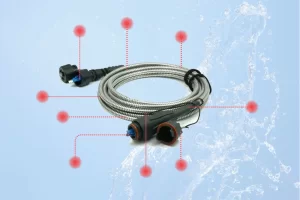
- Armored Fiber Optic Cables: Enhanced vibration and wear resistance for heavy manufacturing environments.
- Waterproof & Dustproof Connectors: IP67/IP68 protection ratings for high-humidity or dusty production settings.
- Industry-Specific Customization: Personalized solutions for automotive, electronics, chemical, and other industries.
4.3 Technology Convergence: Fiber Optic + 5G/Edge Computing Synergistic Architecture
- Local Low Latency: Fiber optics support high-speed interconnection between robot clusters and edge computing nodes.
- Cloud-Wide Connectivity: 5G enables flexible connection of mobile robots and remote nodes, creating a hybrid architecture that combines local precision with wide-area coverage.
4.4 Intelligent Monitoring: Self-Diagnostic Capabilities of Fiber Optic Connection Systems
- Real-Time Transmission Loss Monitoring: Proactively alerts to potential faults before they impact operations.
- Precise Fault Localization: Reduces maintenance time by quickly identifying and isolating connection issues, improving production continuity.
Future Outlook: Trends of Fiber Optic Connectivity Empowering Intelligent Manufacturing
As Industry 4.0 deepens and smart robot technology advances, fiber optic connectivity will unlock broader application prospects:
5.1 6G + Fiber Optic Synergy: Connectivity Support for Next-Generation Smart Robots
The upcoming 6G technology, combined with fiber optics, will enable:
- Ultra-High-Speed Transmission: Meeting demands for holographic interaction, ultra-long-distance remote control, and multi-dimensional collaboration.
- Global Collaborative Interconnection: Serving as the technical foundation for worldwide robot collaboration across multiple industries.
5.2 Flexible Production Adaptation: Responding to High-Mix, Low-Volume Manufacturing Changes
- Rapid Cabling Switching: Supporting flexible production line adjustments and robot task reconfiguration.
- Highly Scalable Design: Adapting to capacity upgrades and equipment iterations without major overhauls.
5.3 Green Manufacturing Orientation: Development of Low-Power Fiber Optic Technology
- Energy-Efficient Component R&D: Reducing the overall power consumption of robot systems.
- Durable Design: Extending product lifespan to minimize replacement frequency, aligning with sustainable manufacturing practices.
5.4 Global Adaptation: Customization for Regional Industrial Standards
Fiber optic solutions are being tailored to meet regional requirements:
- European & American Market Compliance: Products certified to CE/FCC standards.
- Asia Pacific/Middle East Optimization: Customized solutions for high-temperature, high-humidity regional characteristics.
Conclusion: Fiber Optic Connectivity – The “Invisible Cornerstone” of Intelligent Manufacturing
Fiber optic connectivity has emerged as an indispensable enabler of Industry 4.0 and smart robot deployment, addressing core connectivity challenges with its ultra-high bandwidth, low latency, anti-interference capability, and harsh environment resilience. From robot vision systems to multi-robot collaboration, from precision manufacturing to IIoT integration, fiber optics underpins every critical link of intelligent production.
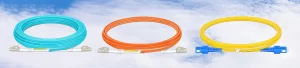
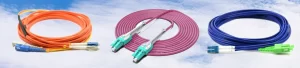
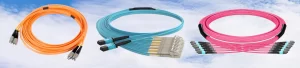
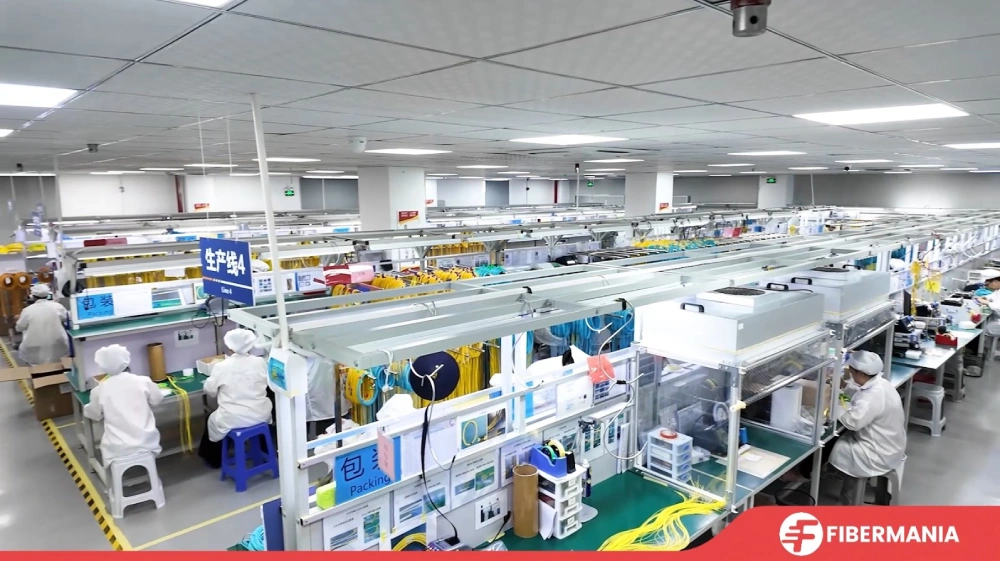
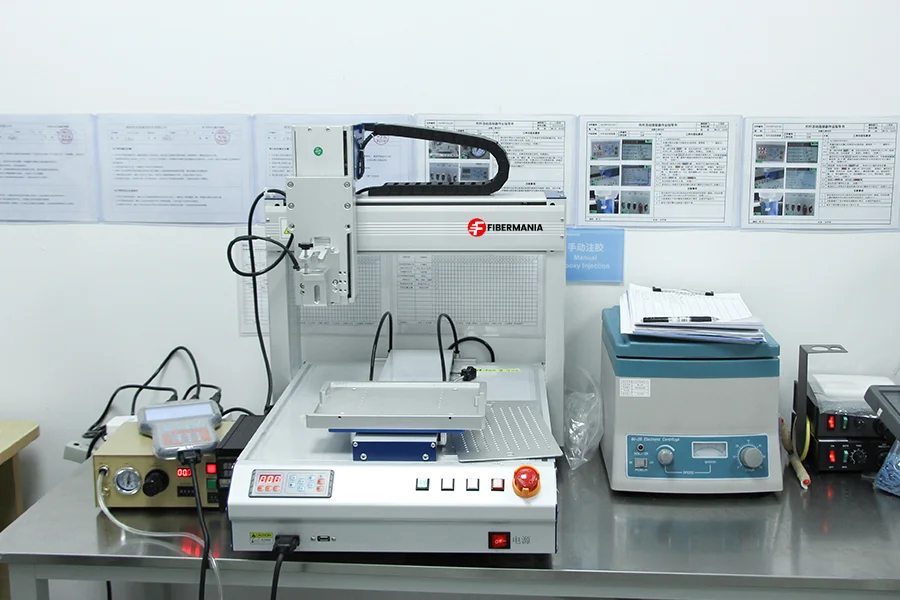
As a professional manufacturer of high-quality fiber optic connectivity solutions, FiberMania has deep expertise in the fiber optic communication industry. We offer a comprehensive range of industrial-grade fiber optic products, including industrial fiber optic patch cords, armored fiber optic assemblies, waterproof connectors, and high-density cabling solutions—all rigorously tested to withstand the harsh conditions of intelligent manufacturing. Our OEM/ODM customization services and comprehensive technical support enable us to deliver tailored solutions for global intelligent manufacturing enterprises, helping them upgrade their smart robot connection systems and enhance overall production efficiency.
The deep integration of Industry 4.0 and smart robots is an inevitable trend in global industrial transformation, and fiber optic connectivity is the critical link driving this evolution. By continuing to promote technological innovation and deep integration between fiber optics and smart robot technology, we can unlock new application scenarios and solution models, empowering the global intelligent manufacturing industry to achieve greater efficiency, flexibility, and sustainability.