Skip to content
















































As network demands continue to grow, especially with the rapid expansion of data centers, enterprise networks, and high-speed switching environments, Ethernet cabling has evolved far beyond a single “standard solution.” Today, users can choose from multiple cable types such as slim Cat6 cables, regular Cat6 cables, and even armored or industrial-grade Ethernet cables.
In this article, we will compare Slim Cat6 vs Regular Cat6 vs Armored Ethernet Cable, and help you understand which one is best for different network environments.
Slim Cat6 Cable: The High-Density Space-Saving Solution
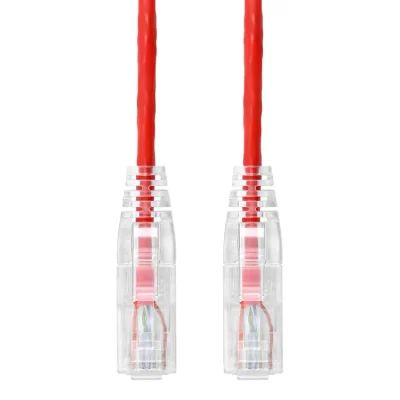
Slim Cat6 cables are designed for high-density networking environments, especially where airflow and cable management are critical, such as data centers and server racks.
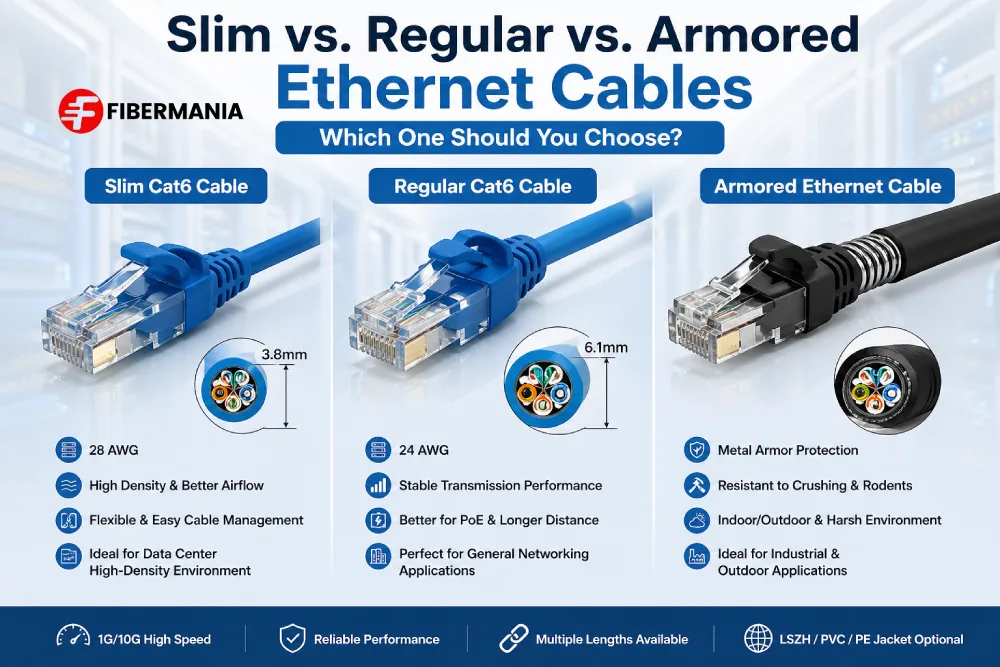
They typically use 28 AWG conductors, compared to 24 AWG in standard Cat6 cables. This smaller conductor size significantly reduces cable diameter.
Key characteristics:
- AWG: 28 AWG
- Outer diameter: ~3.5–4.0 mm
- Supports: 1GBase-T and up to 10GBase-T (short distance)
- Application: High-density patching environments
Advantages:
- Better airflow in racks
- Easier cable management
- Reduces cable congestion in patch panels
- Ideal for short-distance interconnects
Limitations:
- Higher resistance compared to thicker cables
- Not ideal for high-power PoE applications
- Less suitable for long-distance transmission
Regular Cat6 Cable: The Balanced All-Rounder
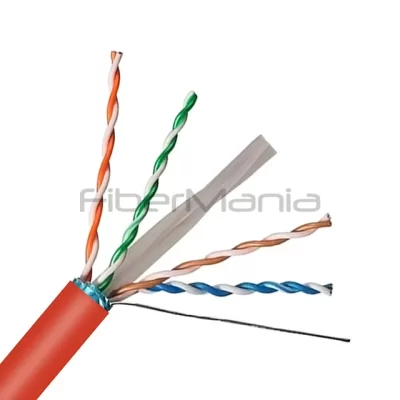
Regular Cat6 cables are the most widely used Ethernet cables in both enterprise and residential networks. They provide a balance between performance, durability, and cost.
They typically use 24 AWG conductors, offering better electrical performance compared to slim versions.
Key characteristics:
- AWG: 24 AWG
- Outer diameter: ~6.0–6.5 mm
- Supports: 1GBase-T and up to 10GBase-T
- Application: General networking and data centers
Advantages:
- Stable signal transmission
- Better performance for PoE applications
- Suitable for longer cable runs
- Widely compatible with all network equipment
Limitations:
- Takes more physical space
- Less flexible in high-density environments
Armored Ethernet Cable: The Industrial Protection Solution
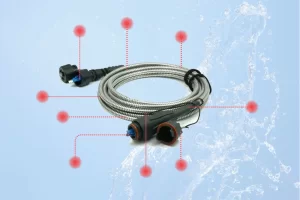
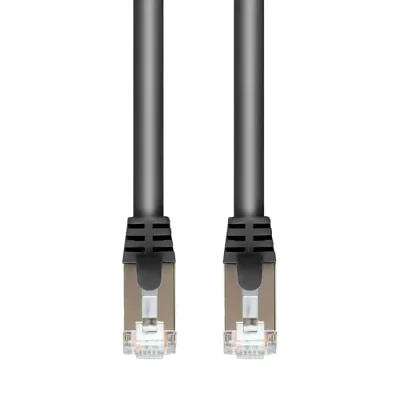
Armored Ethernet cables are designed for harsh environments, where cables may be exposed to mechanical stress, rodents, or outdoor conditions.
They feature an additional metal protection layer (steel or aluminum armor) between the outer jacket and internal structure.
Key characteristics:
- Construction: Inner cable + metal armor layer
- Jacket: PVC / LSZH / PE (depending on application)
- Application: Industrial, outdoor, FTTA, mining, rail systems
Advantages:
- High mechanical protection
- Resistant to crushing and rodent damage
- Suitable for outdoor and industrial environments
- Long-term durability in harsh conditions
Limitations:
- Larger diameter and heavier weight
- Less flexible than standard cables
- Higher cost

Comparison Overview
| Type | Strength | Flexibility | Space Efficiency | Best Use Case |
|---|---|---|---|---|
| Slim Cat6 | Medium | High | Excellent | High-density racks |
| Regular Cat6 | High | Medium | Moderate | General networking |
| Armored Cable | Very High | Low | Low | Industrial / outdoor |
How to Choose the Right Cable?
Choosing the right Ethernet cable depends on your network environment and performance requirements.
Choose Slim Cat6 if:
- You are building a high-density data center
- Cable management and airflow are priorities
- Short-distance patching is required
Choose Regular Cat6 if:
- You need stable, general-purpose networking
- You are using PoE devices or longer cable runs
- Cost-performance balance is important
Choose Armored Cable if:
- Installation is in outdoor or industrial environments
- Physical protection is required
- Cables are exposed to mechanical risks
Final Thoughts
There is no “one best cable” for all applications. Each type of Ethernet cable is designed for a specific environment:
- Slim Cat6 = Density and flexibility
- Regular Cat6 = Stability and balance
- Armored Cable = Protection and durability
Understanding these differences allows you to design a more efficient, reliable, and future-ready network infrastructure.