Skip to content






















Artificial intelligence is transforming the digital world at an unprecedented pace. As organizations adopt AI-driven applications such as machine learning, real-time analytics, and large language models, the computational and networking requirements of data centers are increasing dramatically. AI workloads require massive data throughput, ultra-low latency, and highly scalable infrastructure capable of supporting rapid technological advancements.
In this environment, structured cabling systems have become a critical foundation for modern AI data centers. High-speed connectivity between GPUs, servers, storage systems, and switching platforms depends on reliable and well-organized cabling infrastructure.
FiberMania provides high-performance structured cabling solutions designed specifically for next-generation data centers, enabling organizations to build scalable, efficient, and future-ready AI infrastructure.
The Growing Challenges of Cabling in AI Data Centers
The rapid development of artificial intelligence has significantly changed the way data centers operate. AI training environments often consist of large GPU clusters that continuously exchange enormous datasets across high-speed networks.
These new workloads create several infrastructure challenges for traditional data center cabling systems.
Massive Bandwidth Demand
AI training clusters require extremely high bandwidth to move data between compute nodes and storage platforms. With the emergence of 400G and 800G network architectures, conventional cabling systems are under increasing pressure to deliver higher transmission speeds while maintaining signal integrity.
High-Density Server Environments
AI computing environments often rely on densely packed GPU servers. As server density increases, available rack space becomes limited, making cable organization and routing more difficult.
Without proper cabling design, dense cabling can lead to:
- Cable congestion inside racks
- Reduced airflow
- Increased thermal buildup
- More complex maintenance operations
Rapid Infrastructure Expansion
AI infrastructure evolves rapidly. Data centers frequently need to add new servers, switches, and storage systems to meet growing compute requirements. Traditional cabling architectures often lack the flexibility needed to support frequent expansion.
Operational Complexity
Poor cable management can lead to confusing cable pathways, making troubleshooting and upgrades more difficult. Disorganized cabling also increases the risk of accidental disconnections during maintenance.
To address these challenges, AI data centers require a structured, scalable, and high-performance cabling architecture.
Why Structured Cabling Is Essential for AI Data Centers
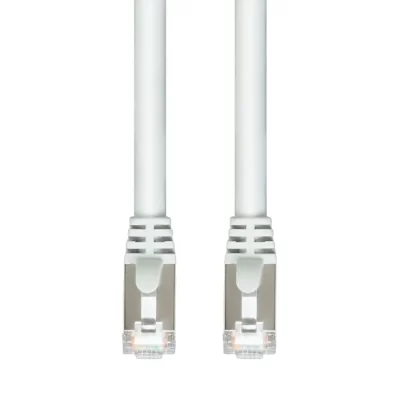
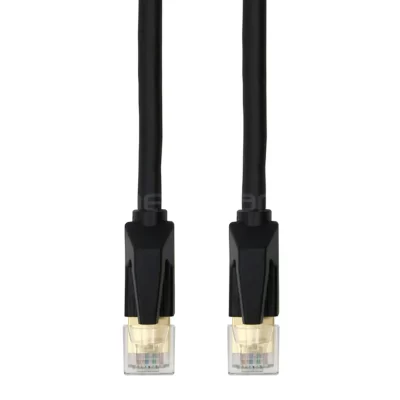
Structured cabling provides a standardized and modular approach to data center connectivity. Instead of deploying cables in an ad-hoc manner, structured cabling systems organize network infrastructure into logical layers that simplify deployment and management.
For AI-driven data centers, structured cabling offers several important advantages.
Reliable High-Speed Connectivity
AI workloads depend on continuous high-speed communication between compute nodes, storage arrays, and network switches. High-quality fiber cabling components ensure stable signal transmission and minimize latency, which is critical for AI model training and real-time inference applications.
Scalability for Future Technologies
AI technologies are evolving rapidly, and network speeds are expected to continue increasing. A structured cabling system built with modular components enables data centers to upgrade infrastructure easily without replacing the entire cabling system.
This scalability helps support future technologies such as:
- 400G and 800G Ethernet
- Next-generation fiber optic networks
- High-density GPU clusters
Improved Cable Management
A well-designed structured cabling layout improves cable organization and reduces congestion inside racks and cabinets. Organized cabling improves airflow, helping cooling systems operate more efficiently and reducing the risk of overheating.
Structured cabling also simplifies Moves, Adds, and Changes (MACs), allowing IT teams to adjust network configurations quickly without disrupting operations.

FiberMania High-Performance Structured Cabling Solutions
FiberMania offers a complete portfolio of structured cabling products designed to support high-density, high-speed AI data center environments. These solutions focus on performance stability, scalability, and operational efficiency.
High-Performance MPO/MTP Fiber Cabling
Stable signal transmission is essential for AI infrastructures where massive data flows occur between servers, switches, and storage systems.
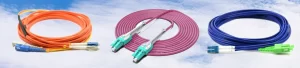
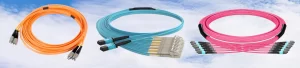
FiberMania MPO/MTP fiber cables are designed for high-speed optical networks, supporting applications such as 40G, 100G, and 400G connectivity. These cables are manufactured using bend-insensitive optical fiber, ensuring reliable signal transmission even in dense routing environments.
High-precision multi-fiber connectors help minimize insertion loss while maintaining excellent optical performance. Each cable undergoes strict quality testing before delivery to ensure consistent reliability during deployment.
With their compact design and high fiber density, MPO/MTP cables are ideal for modern AI data centers that require efficient space utilization and simplified high-speed network connections.
Modular Fiber Cabling Systems for Scalable Infrastructure
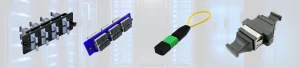
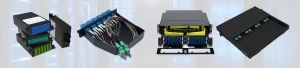
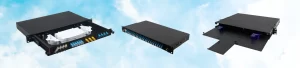
Modern data centers require cabling systems that can grow alongside expanding compute resources. FiberMania provides modular fiber cabling solutions built around high-density patch panels, fiber cassettes, and scalable enclosures.
These modular systems allow organizations to expand their infrastructure gradually without major redesigns. Depending on the configuration, the system can support fiber counts ranging from dozens to hundreds of connections, making it suitable for both medium-scale deployments and hyperscale AI environments.
Clear port labeling and standardized color coding simplify cable identification, helping technicians quickly locate and manage connections during installation or maintenance.
Integrated cable management features also help maintain organized cable routing while protecting connectors from unnecessary strain.
Structured Cabling Support with Professional Racks and Cabinets
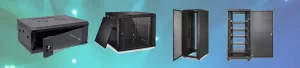
Reliable cabling infrastructure also requires robust mechanical support. FiberMania provides network racks and cabinets designed to support structured cabling deployments in high-density data centers.
These racks feature adjustable mounting rails and removable panels that simplify equipment installation and maintenance. Integrated vertical cable management systems help keep cables organized and secure, reducing the risk of cable damage or accidental disconnections.
Proper cable routing inside racks also improves airflow, allowing cooling systems to operate more efficiently. This is particularly important in AI environments where GPU servers generate significant heat.
To further enhance infrastructure flexibility, FiberMania racks and cabinets support a wide range of accessories, including shelves, blank panels, cooling fans, cable managers, and power distribution units.
Together, these components create a stable and scalable foundation for modern AI data center infrastructure.
Building Scalable AI Infrastructure for the Future
Artificial intelligence is reshaping the future of computing, and data centers must adapt quickly to keep pace with evolving technological demands. High-performance networking, efficient cable management, and scalable infrastructure design are essential for supporting the next generation of AI workloads.
By deploying a well-designed structured cabling system, organizations can improve network reliability, simplify infrastructure expansion, and maintain efficient data center operations.
FiberMania high-performance structured cabling solutions provide the flexibility, scalability, and reliability required to support modern AI data centers. From high-density fiber optic cabling to modular infrastructure systems, these solutions help businesses build future-ready data centers capable of sustaining AI-driven innovation.