Skip to content
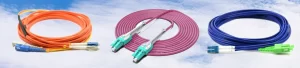
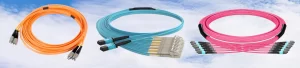


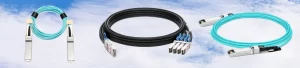
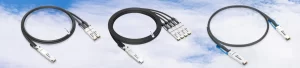
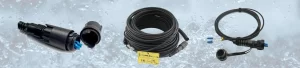
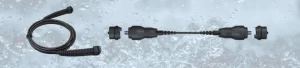
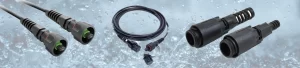

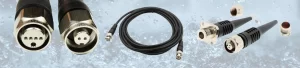
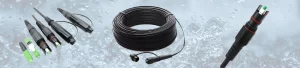
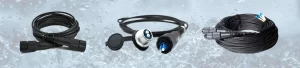
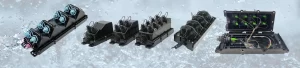
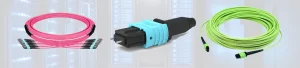









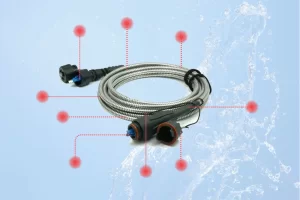







Fiber‑to‑the‑Antenna (FTTA) systems are critical infrastructure for modern wireless networks (including 4G, 5G and beyond), enabling high‑speed, low‑loss optical connections between outdoor radios (such as Remote Radio Units, or RRUs) and baseband equipment. Outdoor FTTA connectors are specifically engineered to withstand environmental challenges (water, dust, temperature, vibration) while maintaining low insertion loss and high reliability. Below is a detailed examination of key FTTA connector types—including CPRI, FullAXS, NSN, IP‑FX/IP‑Series, ODC/RDC/AARC, ODVA OptiTap, Mini SC, and PDLC Cable—followed by a comparative table and a forward‑looking industry trends summary.
1. Overview of FTTA Connector Types
CPRI Connectors
“CPRI” stands for Common Public Radio Interface, defining the interface standard used between baseband units and radio heads in telecom equipment. CPRI‑terminated patch cords often use Duplex LC formats and are widely adopted as standard outdoor connectors for radios from multiple vendors due to their compatibility and performance in FTTA deployments.
Usage & Compatibility: Basic outdoor FTTA cabling, suitable for most macro base station radios.
Outdoor Performance: Weather‑sealed and ruggedized versions are commonly available with IP67 ratings and armored cable construction.
Pros/Cons: Very widely supported with predictable optical performance; less advanced environmental sealing than specialized connectors.
FullAXS Connectors
FullAXS connectors are ruggedized, waterproof connectors with Duplex LC, SC or MPO interfaces designed for FTTA and industrial applications. Many FullAXS designs meet IP67/IP68 environmental protection requirements and are used heavily in 5G rollouts.
Usage & Compatibility: FTTA connections on tower tops; compatible with many radios and SFP modules via adapter plates.
Outdoor Performance: Excellent sealing using robust bayonet or threaded locking systems, UV‑resistant materials.
Pros/Cons: Strong environmental protection and quick installation; slightly larger and heavier than mini‑connectors.
NSN Boot Connectors
Originally developed or standardized for use with Nokia‑branded equipment (NSN refers to Nokia Siemens Networks), these connectors typically employ Duplex LC boots with enhanced sealing materials for outdoor use.
Usage & Compatibility: Outdoor FTTA cabling for Nokia/RRU equipment; works with most standard LC interfaces when combined with appropriate adapters.
Outdoor Performance: IP67 rated with salt‑mist and dust protection.
Pros/Cons: Good vendor alignment for Nokia platforms, but less universal without adapter plates.
IP‑FX / IP‑Series Connectors
The IP‑FX / IP‑Series designation refers to a generalized class of waterproof outdoor connectors certified to IP67 / IP68 standards. These connectors can be manufactured with varied optical interfaces (LC/SC/MPO) and are frequently used in heterogeneous equipment environments.
Usage & Compatibility: Outdoor FTTA links in multi‑vendor sites.
Outdoor Performance: Robust waterproof/dustproof ratings and mechanical reliability, often rated to industrial vibration and shock standards.
Pros/Cons: Very flexible and adaptable for mixed connector ecosystems; performance depends on specific manufacturer and interface selection.
ODC / RDC / AARC Connectors
Often grouped together as ruggedized outdoor connectors, ODC (Outdoor Connector), RDC (Rugged Data Connector), and AARC designs are cylindrical, screw‑thread waterproof connectors supporting 2–4 fibers.
Usage & Compatibility: FTTA outdoor environments requiring high sealing and shock resistance.
Outdoor Performance: Typically IP65‑rated or above, robust against salt spray and temperature extremes.
Pros/Cons: Strong mechanical protection and sealing; can be bulkier and requires careful mating alignment.
ODVA OptiTap Connectors
ODVA OptiTap connectors are hardened, outdoor‑rated connectors originally popular in FTTH but increasingly applied in FTTA distribution boxes and multi‑fiber outdoor cables. They usually use SC/APC or similar interfaces with threaded waterproof housings.
Usage & Compatibility: High‑fiber outdoor distribution; rugged cable runs where multiple links require protection.
Outdoor Performance: Excellent IP68 sealing and dust protection.
Pros/Cons: Great for outdoor drop or multi‑port boxes; larger footprint and not typically used directly at the radio port.
Mini SC Connectors
Mini SC connectors are compact, waterproof variants of the standard SC interface designed for outdoor deployment where space is at a premium.
Usage & Compatibility: FTTA small rack or enclosure connections; easier installation in tight spaces.
Outdoor Performance: IP67 sealing with robust housing.
Pros/Cons: Small size makes them ideal for dense routing; limited mating cycles compared with larger connectors.
PDLC Cable Connectors
PDLC connectors are waterproof LC duplex connectors optimized for use in both small cell and FTTA applications. They offer similar optical performance to standard LC with added sealing features.
Usage & Compatibility: Outdoor FTTA to small cells, balcony boxes, or other compact equipment.
Outdoor Performance: Rugged environmental protection typically meeting or exceeding IP67.
Pros/Cons: Compact and compatible with LC‑based radios; may not be as rugged for heavy mechanical stress as larger connectors.
FTTA Connector Comparison Table
| Connector Type | Common Interfaces | Compatibility | Outdoor Protection | Ease of Installation | Usage Popularity | Typical Use Cases |
|---|---|---|---|---|---|---|
| CPRI | LC Duplex | High | IP67 | Medium | High | Macro FTTA, Base to RRU |
| FullAXS | LC/SC/MPO | Very High | IP67/IP68 | High | Medium-High | 5G FTTA, RRU |
| NSN | LC Duplex | Medium-High | IP67 | Medium | Medium | Nokia/RRU specific |
| IP‑FX/IP‑Series | LC/SC/MPO | Very High | IP67/IP68 | High | Medium-High | Multi-vendor Outdoor |
| ODC/RDC/AARC | Multi-fiber | High | IP65+/IP67 | Medium | Medium | Telecom & Field boxes |
| ODVA OptiTap | SC/APC/MPO | Very High | IP67/IP68 | Medium | Medium | Outdoor distribution boxes |
| Mini SC | Compact SC | High | IP67 | High | Medium | Tight space FTTA |
| PDLC | LC Duplex | High | IP67 | High | Very High | Small cells, dense outdoor, multi-vendor |
Future Trends in FTTA Outdoor Connectors
The FTTA market continues evolving rapidly due to 5G densification and emerging 6G planning. Several trends are shaping connector innovation:
1. Higher Environmental Ratings: As more deployments occur in challenging climates (extreme cold, desert, maritime), manufacturers are pushing beyond IP67 to IP68+/IP69K standards, improving sealing and corrosion resistance.
2. Blind‑Mate & Field‑Installable Designs: Future connectors increasingly support blind‑mate interfaces allowing technicians to connect without direct line‑of‑sight—critical for tower‑top deployments. Enhanced field‑terminable connectors reduce onsite termination time and minimize errors.
3. Multi‑Fiber High‑Density Connectors: With growth toward massive MIMO and mmWave systems, multi‑fiber solutions with robust waterproofing (e.g., waterproof MPO variants) are gaining traction.
4. Standardization & Interoperability: Industry standards bodies and major OEMs (Ericsson, Nokia, Huawei, ZTE) continue harmonizing connector interfaces (especially IP Series variants) to ease multi‑vendor site logistics.
5. Integration with Hybrid Cable Solutions: We’re seeing more rugged hybrid fiber/copper/power assemblies linking FTTA radios. Future connectors might merge optical and power contacts into single watertight housings for simpler mast installations.
6. Smart Connector Monitoring: Emerging designs are embedding simple diagnostics (e.g., continuity, dust sensing) into connectors to help reduce field faults during network rollouts.